An indie game has surged from bedroom code to blockbuster success, rewriting what independent game development can achieve. With millions of players, viral streaming, and industry-wide ripples, its impact could reshape funding, discovery, and design norms across gaming. In this article, we explore the game’s ascendancy, what it reveals about the industry, and what this means for players, developers, and the U.S. market.
What Happened — And Why This “One Indie Game” Matters
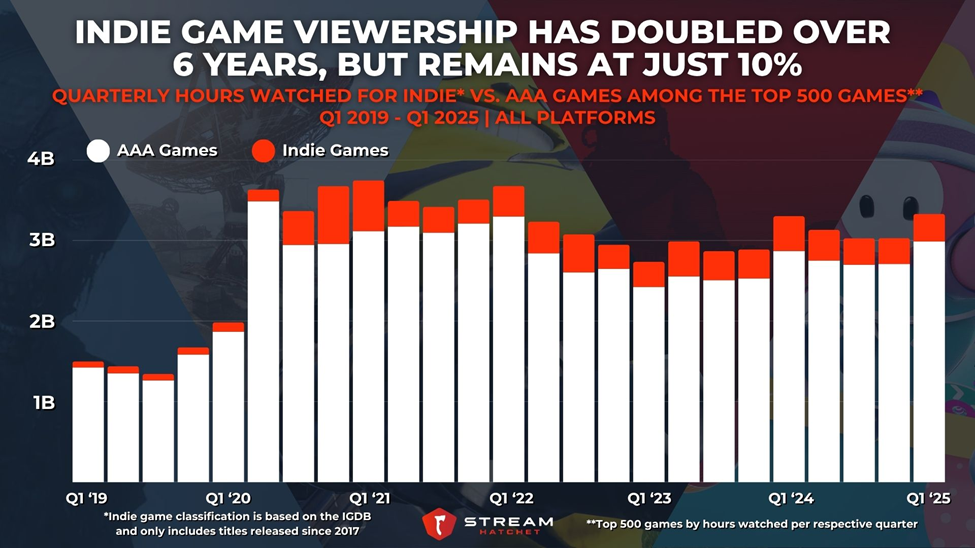
In 2025, one indie game soared beyond expectations, capturing headlines, streaming audiences, and sales charts. While thousands of indie titles hope for breakout success, very few achieve viral status. According to data, indie games made up 99 % of all game releases on Steam in 2024 yet accounted for 48 % of total revenue from copies sold. (Gam3s)
The game in question, Schedule I, a business-simulation/tycoon indie developed by small studio TVGS, released in early access in March 2025. It quickly peaked at nearly 460,000 concurrent Steam players and stayed on top of charts for weeks. (Business Insider)
Why does this matter? Because when a small team achieves such visibility:
- It shifts perceptions of what indie teams can accomplish.
- It forces larger studios and publishers to adjust development, marketing, and platform strategies.
- It impacts how discovery, streaming, and community-led growth propel titles in the U.S. and globally.
What Factors Allowed This Indie Game to Explode?
1. Niche Design + Viral Appeal
Schedule I embraced a bold and controversial topic (drug-empire simulation) in a stylized format. Its unique gameplay and aesthetic made it highly shareable and meme-worthy, generating organic word-of-mouth.
2. Streaming & Influencer Amplification
Live streamers on Twitch and YouTube played pivotal roles, turning gameplay into viral content. This amplified visibility far beyond traditional marketing channels.
3. Platform & Market Timing
With over 18,000 games released on Steam in 2024, standing out is increasingly difficult. (Shahriyar Shahrabi) Schedule I launched when audiences were primed for novelty, and streaming exposure maximized awareness.
4. Accessible Price Point & Broad Audience
Low cost and high accessibility lowered barriers for adoption, encouraging rapid volume. This allowed the game to reach wide audiences and gain momentum quickly.
5. Media Awareness & Press Coverage
High-profile coverage, such as Business Insider’s feature calling it “this year’s biggest indie game hit,” reinforced its credibility and sustained interest. (Business Insider)
Could This Indie Game Really Change the Whole Industry?
Yes — here’s how:
Redefining Discovery Paths
Traditional publishing relies on large marketing budgets and big studios. Indie breakout successes like Schedule I demonstrate that small teams using clever design, streaming, and community engagement can achieve similar or greater impact.
Shifts in Platform Economics
With indie games generating significant revenue despite representing the majority of releases, platforms like Steam may adjust policies to promote standout titles more prominently. (Gam3s)
Impacts on Developer & Studio Strategy
Publishers may start acquiring indie teams, investing in smaller studios, or adopting design principles that prioritize community engagement and virality.
Community & Influencer Power
The success underscores the growing influence of streaming communities and influencer-driven promotion on discovery, marketing, and long-term revenue.
A Wake-Up Call for Mid-Tier and AAA Games
If an indie game can outperform or rival a major title in visibility and engagement, larger studios may need to rethink innovation, design cycles, and risk management strategies.
10 Frequently Asked Questions (FAQs)
1. How did an indie game become a blockbuster?
Through unique design, timing, viral word-of-mouth, and streaming amplification.
2. What qualifies a game as “indie”?
An independent game is developed by a small team without major publisher backing, often with limited budget and creative freedom. (Wikipedia)
3. Why are so many indie games released yet so few succeed?
Over 18,000 new games were released on Steam in 2024, but visibility and marketing challenges prevent most from breaking through. (Shahriyar Shahrabi)
4. Will this indie game change how publishers behave?
Yes. Expect shifts toward supporting smaller teams, designing for virality, and allocating budgets differently.
5. What can indie developers learn from this success?
Focus on unique concepts, streaming-friendly mechanics, community building, rapid iteration, and cost management.
6. Does this mean big studios are losing influence?
No, but smaller teams now demonstrate that innovation and audience engagement can rival big-budget production.
7. How important is streaming/influencer marketing for indie games?
Extremely. Streamer engagement can be decisive in a game’s breakout success.
8. Will this trend affect the types of games released?
Yes. Expect more experimental mechanics, risk-taking themes, and smaller, agile production models.
9. What risks exist behind indie breakout success?
Sustainability, replicability, and discoverability for future titles are key concerns.
10. As a gamer, why should I care about this indie explosion?
It means more variety, innovation, and potentially unexpected hits from small teams rather than just large publishers.
Practical Advice & Takeaways
For Developers & Studios
- Build strong, unique concepts that stand out.
- Design games with streaming and virality in mind.
- Engage communities early through demos and dev logs.
- Collaborate with streamers and influencers for early traction.
- Manage budget wisely to balance risk and creativity.
For Gamers & Industry Watchers
- Track buzz around indie titles—they could be your next favorite game.
- Embrace experimental gameplay—it’s where innovation thrives.
- Recognize shifts in studio models and emerging indie opportunities.
- Support games you enjoy to help sustain indie ecosystems.
What’s Next for the Industry?
- More indie teams will attempt “explosive” releases using streaming and community strategies.
- Platforms may highlight breakout indies more prominently to attract users.
- Live streaming and influencer involvement will become essential launch tools.
- Funding models may shift to include indie accelerators, co-development, and revenue-sharing partnerships.
- Sustainability questions remain—can breakout indie teams maintain momentum beyond one hit?
Key Takeaways (In Pointers)
- Small-team development + viral exposure can compete with major studios.
- Success factors: novelty, streaming amplification, community engagement, accessible price point.
- Challenges traditional models: publishers, funding, marketing, and discovery may all shift.
- Developers should prioritize community, virality, and rapid iteration.
- Gamers benefit from more variety, bold mechanics, and fresh voices.
Final Thought:
The rise of this indie game signals more than just one success story—it carries the potential to reshape how games are made, discovered, and enjoyed. For U.S. players, it means richer choices and unexpected hits. For developers, it means the playing field is wider, and the formula for success is shifting. The age of the underdog developer may be entering its blockbuster moment