
“Casablanca” (1942) isn’t just one of Hollywood’s most beloved classics — it’s the cinematic Big Bang that created an entire creative universe. This article unveils the hidden stories, cultural echoes, and unseen creative ripples that Casablanca left behind — from wartime propaganda to its surprising influence on gaming, television, and even digital storytelling across the modern metaverse.
Why Casablanca Still Echoes Across Generations
When Casablanca premiered in 1942, no one expected it to become one of the greatest films ever made. Its magic wasn’t in special effects or blockbuster appeal — it was in emotional realism, moral conflict, and the humanity of its characters. Rick Blaine’s smoky café became the world’s emotional refuge — a crossroads of love, loyalty, and loss during a time of chaos.
More than 80 years later, Casablanca continues to resonate not just as a movie, but as a cultural blueprint. It shaped how stories are told — influencing everything from postwar cinema and spy thrillers to modern virtual storytelling. What many don’t realize is that Casablanca secretly created its own alternate universe — a creative ecosystem of tone, theme, and emotion that still exists today.
How Casablanca Became a Multiverse Before Marvel
Before Marvel’s cinematic multiverse, there was Casablanca. It laid the groundwork for connected narratives and moral archetypes that would echo for decades. The “Casablanca Universe” is less about shared characters and more about shared emotional DNA — stories built on nostalgia, sacrifice, and bittersweet redemption.
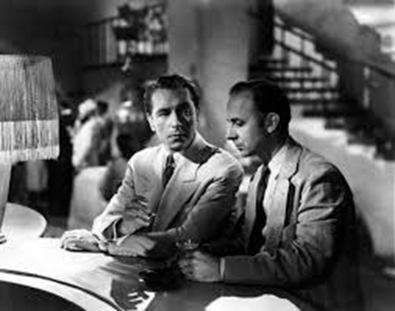
Films that belong to Casablanca’s creative “universe” include:
- To Have and Have Not (1944) – Directed by the same filmmaker (Howard Hawks), starring Bogart and Bacall, and spiritually linked through its tone of wartime romance and moral ambiguity.
- The Third Man (1949) – Set in postwar Europe, its noir shadows and complex loyalties mirror Rick’s café’s moral darkness.
- Blade Runner (1982) – Ridley Scott cited Casablanca as a major influence, from its smoky cinematography to the lonely antihero wandering through corruption.
- Star Wars: Rogue One (2016) – Its tragic idealism and themes of sacrifice owe as much to Casablanca as to science fiction.
Each of these works carries Casablanca’s heartbeat — a cinematic rhythm built on impossible love, reluctant heroism, and moral crossroads.
The Real-Life Secrets Behind Casablanca’s Creation
Ironically, Casablanca wasn’t made to be a masterpiece. Warner Bros. viewed it as just another war-time drama. Yet, a series of unpredictable creative accidents transformed it into a timeless work of art.
Fascinating behind-the-scenes facts:
- The script was rewritten daily — even Humphrey Bogart didn’t know how it would end.
- Ingrid Bergman was told to “play it neutral,” because writers hadn’t decided who her character would end up with.
- The iconic line “Here’s looking at you, kid” was improvised.
- The release coincided with the Allied invasion of North Africa, turning it into an unintentional piece of wartime propaganda.
This blend of chaos, timing, and emotion gave Casablanca a spontaneous authenticity — something that can’t be engineered in modern Hollywood.
How Casablanca Invented New Storytelling Blueprints
Casablanca didn’t just influence future films — it defined new genres. Its DNA can be found across romance, noir, and even gaming.
Influences across media:
- Film Noir: Rick Blaine’s world-weary cynicism birthed the archetype of the “reluctant antihero.”
- Spy Dramas: Cold War-era movies like The Spy Who Came in from the Cold echoed its moral uncertainty.
- Romantic Epics: Films such as Titanic and La La Land replicate its bittersweet love sacrificed for duty.
- Video Games: Story-driven games like BioShock Infinite and Mass Effect use Casablanca’s moral dilemma structure — where every choice comes with emotional cost.
Even AI storytelling models have studied Casablanca’s script to learn “human-like” emotional dialogue — showing how its legacy now extends into the world of digital creativity.
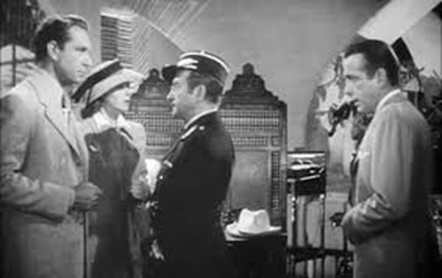
What If Casablanca Were Set in 2025?
If Rick Blaine lived in 2025, his café wouldn’t be in Vichy Morocco — it would be a virtual bar in the metaverse. A smoky lounge of exiled avatars, activists, and hackers caught between idealism and corruption.
Today’s storytelling platforms — from Netflix’s Bandersnatch to virtual-reality cinema — are doing what Casablanca did 80 years ago: exploring how choice, morality, and love interact in uncertain times. In essence, Casablanca’s alternate universe now exists across screens, algorithms, and immersive worlds.
Why “We’ll Always Have Paris” Still Hits Home
Few movie quotes are as iconic as “We’ll always have Paris.”
According to the American Film Institute (AFI), lines from Casablanca rank among the top 10 most quoted in film history. The phrase has appeared in over 250 works of art — from films and songs to novels and even video games.
This timeless line captures universal emotions — nostalgia, loss, and love that transcends time — making it a living part of American culture.
What Keeps the Casablanca Universe Alive?
The Casablanca universe survives because it isn’t built on sequels or spin-offs — it’s built on emotionally shared continuity.
Every time a film revisits the tension between personal desire and moral duty, it’s stepping back into Rick’s café.
From Inception to The English Patient and Rogue One, every story that explores love in the shadow of sacrifice keeps Casablanca’s emotional fire burning.
5 Lessons Modern Creators Can Learn from Casablanca
- Emotion Outlasts Technology: The most powerful stories come from human conflict, not CGI.
- Ambiguity is Engaging: Viewers love to interpret — don’t explain everything.
- Sacrifice Resonates: Moral choices make characters unforgettable.
- Cultural Timing Matters: Great art meets its moment — as Casablanca did in wartime.
- Dialogue Defines Legacy: A single line can echo for generations.
10 Frequently Asked Questions (FAQs)
1. Was Casablanca based on a true story?
No. It was inspired by an unproduced play titled Everybody Comes to Rick’s, but reflected real refugee struggles during World War II.
2. Why is Casablanca still considered iconic?
Because it perfectly blended romance, politics, and moral complexity — creating an emotional blueprint for modern storytelling.
3. Did Bogart and Bergman have chemistry off-screen?
Their chemistry was professional, not personal. Bogart kept a distance, which may have intensified their on-screen tension.
4. Was the ending improvised?
Not entirely, but it was written just before filming. Bogart and Bergman didn’t know who would end up together until the final days.
5. What political message does Casablanca carry?
It subtly promotes resistance against fascism, while highlighting the personal sacrifices war demands.
6. How has Casablanca shaped pop culture?
Its quotes, mood, and themes have influenced everything from Star Wars to Rick and Morty.
7. Does a “Casablanca Cinematic Universe” actually exist?
Not officially — but narratively, many films exist within its emotional and philosophical framework.
8. How do younger audiences perceive it today?
It’s experiencing a revival on streaming platforms and TikTok, appreciated for its timeless storytelling and aesthetics.
9. What’s the biggest myth about Casablanca?
That it’s a straightforward love story. In truth, it’s about moral choice, identity, and sacrifice in a fractured world.
10. Will Casablanca ever be remade?
Hollywood has discussed remakes, but most critics and fans agree its original magic can never be recreated.
Final Thought: The Universe That Never Ended
The Casablanca universe isn’t about sequels or shared timelines — it’s about emotional immortality.
Every film that grapples with impossible love or ethical sacrifice lives under its shadow.
Rick and Ilsa’s final goodbye isn’t the end — it’s a beginning, echoing through decades of cinematic storytelling.
Casablanca didn’t just tell a story. It started one — one that continues to expand every time art meets heart.