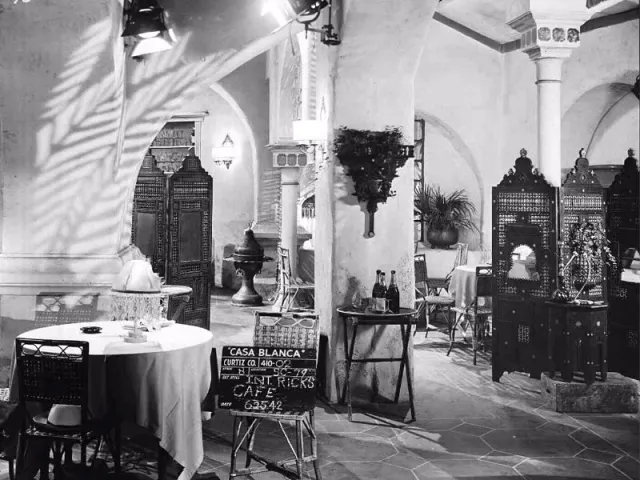
The 1942 masterpiece Casablanca remains one of Hollywood’s most beloved classics—but even after eight decades, there are details most viewers have never seen. From on-set romances to unscripted moments that became iconic, this deep dive uncovers the hidden secrets, production quirks, and emotional truths that made Casablanca a timeless cultural legend.
Why Casablanca Still Matters Eight Decades Later
When Casablanca premiered in 1942, no one expected it to become one of the most enduring films of all time. Set against the backdrop of World War II, its themes of love, sacrifice, and political tension still resonate today. But beneath its smoky piano bar and unforgettable dialogue lies a treasure trove of untold stories.
Modern audiences rediscover Casablanca through streaming platforms, film retrospectives, and college film courses. What keeps them hooked? It’s not just Rick and Ilsa’s doomed romance—it’s the artistry, the improvisation, and the real-life drama behind the screen.
Let’s uncover the hidden secrets that make Casablanca far more than just “another old Hollywood film.”
1. Humphrey Bogart’s Height Problem—And the Clever Fix
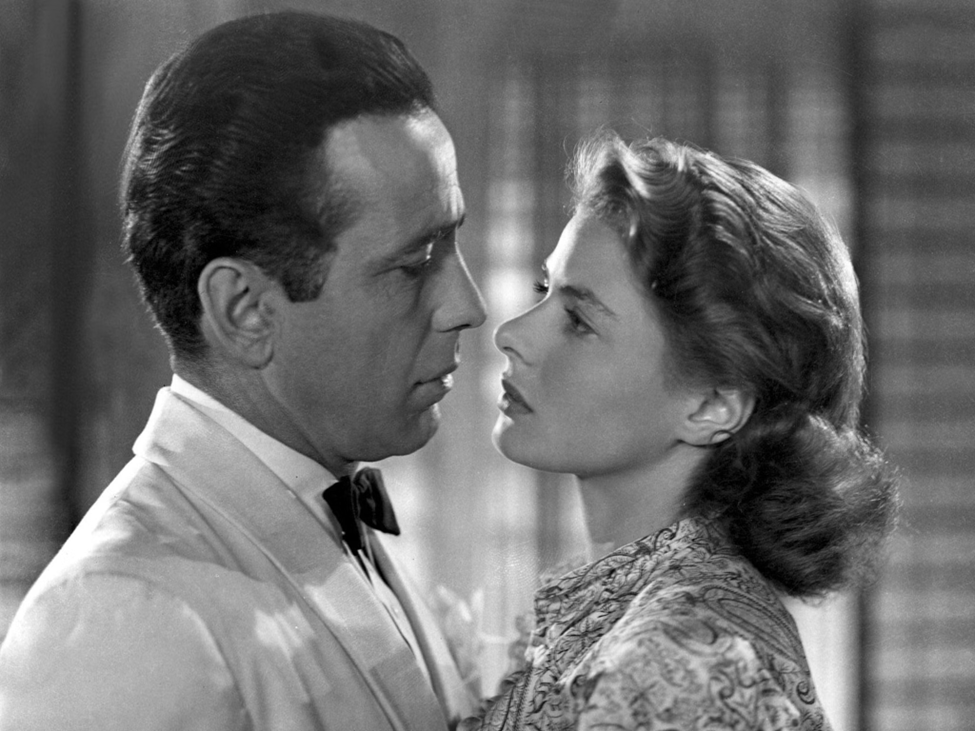
Bogart’s brooding presence defined Casablanca, but few fans know he was actually shorter than Ingrid Bergman. To maintain the illusion of dominance, cinematographers often used wooden boxes and camera tricks to make Bogart appear taller.
In close-up romantic shots, Bergman was asked to slouch slightly or remove her shoes. This subtle technique kept their chemistry believable on screen while hiding one of Hollywood’s classic optical illusions.
2. “Here’s Looking at You, Kid” Wasn’t in the Script
Arguably one of the most quoted lines in film history, “Here’s looking at you, kid”, wasn’t originally in the script. Bogart ad-libbed it—borrowing the phrase from poker slang he used with Bergman between takes.
The director, Michael Curtiz, loved its natural delivery so much that he left it in. This moment of spontaneity became an immortal line, ranking among the American Film Institute’s Top 5 Movie Quotes of All Time.
3. The Cast Didn’t Know the Ending Until the Final Days of Shooting
Unbelievably, neither Bogart nor Bergman knew how Casablanca would end during filming. The script was rewritten daily, with several alternate endings being tested.
Some early drafts even had Ilsa staying with Rick. But as production neared completion, the filmmakers decided that the morally powerful ending—where Rick sacrifices love for duty—better reflected the wartime spirit.
That uncertainty in their performances gave the final scenes their authentic emotional tension.
4. The Real-Life Refugees in Rick’s Café
Many of the extras in Casablanca were actual refugees from Nazi-occupied Europe, not trained actors. The raw emotion during the “La Marseillaise” scene—where patrons drown out German soldiers by singing France’s national anthem—came from their real experiences of exile and loss.
The tears you see on screen weren’t acting; they were genuine. It’s one of the few Hollywood moments where fiction and reality blended seamlessly.
5. The Piano in the Film Has Its Own Adventure Story
Sam’s piano—where he famously plays “As Time Goes By”—became almost as iconic as the characters themselves. That piano has since been auctioned multiple times, once selling for over $3.4 million at Sotheby’s.
Interestingly, the song “As Time Goes By” was never supposed to stay in the movie. The studio wanted a new composition, but by the time they decided to replace it, Bergman had already cut her hair for another role—making reshoots impossible.
Thus, a “temporary song” became eternal.
6. Bogart and Bergman Weren’t Friends Off-Screen
Despite their on-screen chemistry, Bogart and Bergman barely interacted off-set. Bogart was reportedly cold and distant, focused more on card games with the crew than conversations with his co-star.
Bergman later admitted she had no idea how she felt about Bogart while filming—perhaps one reason their on-screen relationship felt so emotionally restrained yet deeply real.
7. Warner Bros. Almost Scrapped the Movie Entirely
Initially, Casablanca was just another studio project. Warner Bros. executives considered it a “mid-tier war romance” and nearly shelved it.
But after the Allied invasion of North Africa in 1942, global events suddenly made the film’s setting timely and politically charged. The studio rushed its release to coincide with the headlines—and the timing turned it into a cultural phenomenon overnight.
8. Rick’s Café Was Based on a Real Moroccan Bar
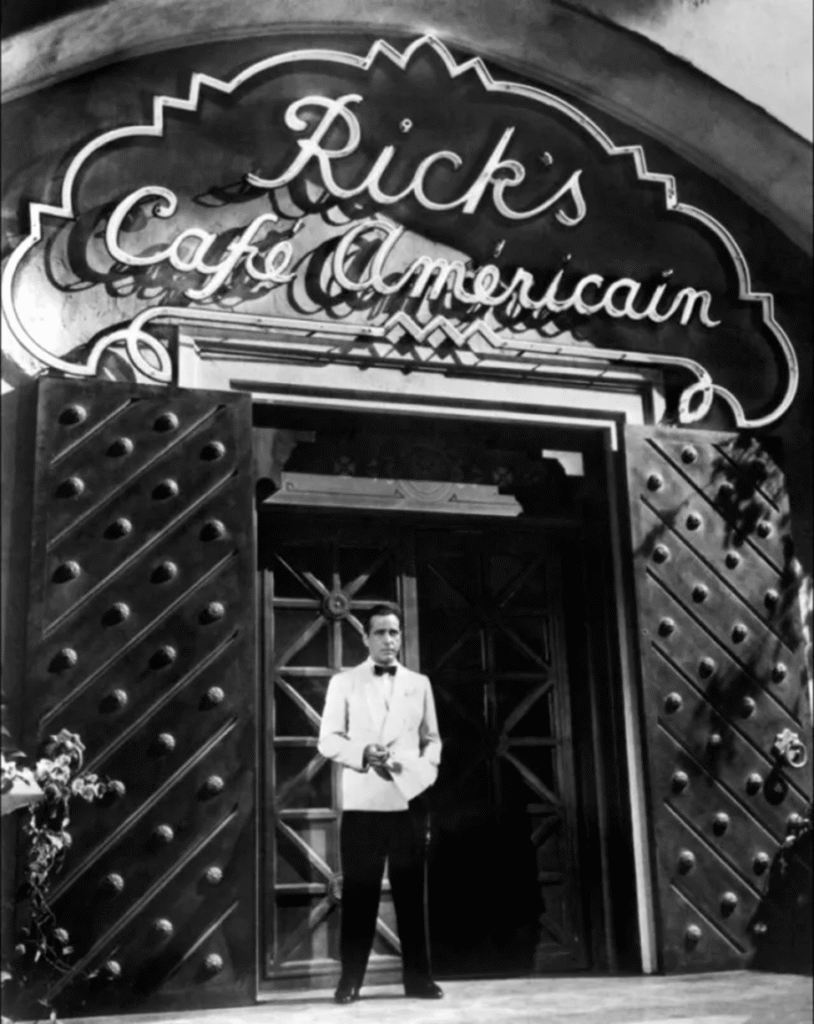
Rick’s Café Américain might be fictional, but it was inspired by actual bars in Casablanca that catered to refugees, soldiers, and spies.
In 2004, an American entrepreneur even opened a real Rick’s Café in Morocco, replicating the film’s ambiance down to the piano and white tuxedos. Today, it’s a pilgrimage site for cinephiles.
9. “Play It Again, Sam” Was Never Said in the Movie
Contrary to popular belief, no character ever says the exact line “Play it again, Sam.”
What Ilsa actually says is “Play it once, Sam, for old times’ sake,” and Rick later says, “You played it for her, you can play it for me.”
This is one of Hollywood’s greatest Mandela effects, proving how pop culture can rewrite history.
10. Casablanca Was a Political Statement in Disguise
Beneath its romantic veneer, Casablanca was a covert piece of wartime propaganda. Released when the U.S. had just entered World War II, the film reinforced themes of moral duty, sacrifice, and resistance against tyranny.
The movie subtly encouraged American audiences to support the Allied cause, wrapped in the universal appeal of love and heartbreak.
Why Fans Still Find New Meanings in Casablanca
Every rewatch of Casablanca reveals something new—a lighting cue, a hidden symbol, or a line of dialogue that feels more relevant today. The film’s beauty lies in its ambiguity: there are no perfect heroes, only people doing their best in impossible circumstances.
Modern directors like Christopher Nolan and Steven Spielberg cite Casablanca as a blueprint for timeless storytelling, where emotion and ethics collide perfectly.
Key Takeaways
- Casablanca wasn’t expected to succeed but became one of the greatest films ever made.
- Many of its most memorable elements—dialogue, props, and emotional beats—were improvised or accidental.
- The film’s real-world refugee cast and evolving script made it authentically human and politically powerful.
- Its legacy continues through academic studies, tourism, and global pop culture references.
10 FAQs About Casablanca (2025 Edition)
1. Was “Play it again, Sam” ever said in Casablanca?
No, it’s a misquote. The real line is, “Play it once, Sam, for old times’ sake.”
2. Was Humphrey Bogart really shorter than Ingrid Bergman?
Yes—Bergman was about 2 inches taller. Clever camera work hid it on screen.
3. Where was Casablanca filmed?
Despite being set in Morocco, almost the entire film was shot on Warner Bros. studio lots in Burbank, California.
4. Was “As Time Goes By” written for the movie?
No, it was a pre-existing song from 1931 that was almost cut from the film.
5. Why didn’t Ilsa stay with Rick?
Wartime morality and the studio code favored noble sacrifice over personal desire.
6. How long did Casablanca take to shoot?
Just about ten weeks, which is short by modern standards.
7. How many Oscars did Casablanca win?
It won three Academy Awards—Best Picture, Best Director, and Best Screenplay.
8. What’s the real Rick’s Café like in Morocco?
It’s a stunning recreation of the movie set, located in Casablanca’s Old Medina.
9. Is Casablanca based on a true story?
It’s based on an unproduced play called Everybody Comes to Rick’s.
10. Why is Casablanca still studied today?
Because its mix of romance, politics, and moral complexity makes it eternally relevant