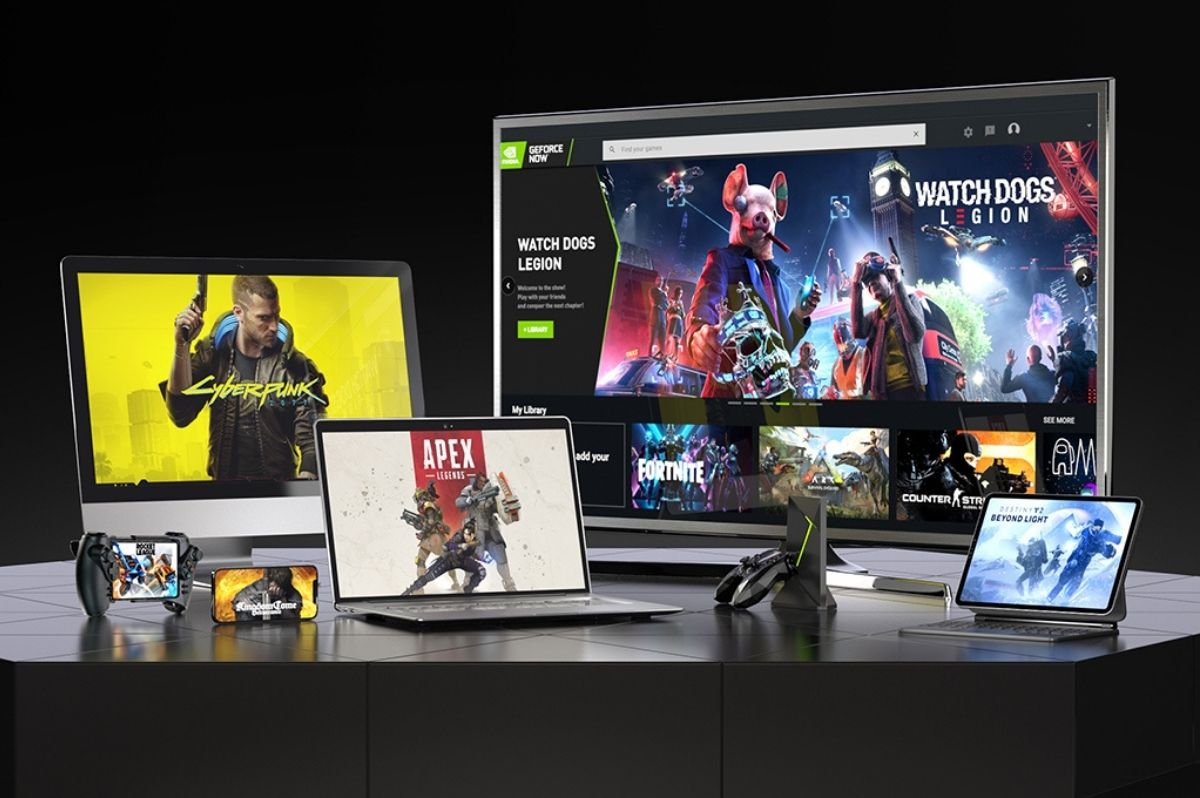
As game streaming platforms quietly surge forward, your console is being edged out. Advances in cloud technology, shifting user behavior, and a subscription-first model are altering the way Americans play—and your dedicated hardware might be losing relevance without you noticing. This article explores why game streaming is reshaping the gaming landscape, with data, examples, and actionable insights.
What Exactly is Game Streaming?
Game streaming, also called cloud gaming, allows players to access video games over the internet without installing large game files or relying on local hardware performance. Unlike traditional consoles such as PlayStation or Xbox, which require you to purchase the hardware, download games, and maintain updates, streaming handles all processing on remote servers. Players simply stream the game visuals and controls to their devices.
Benefits of game streaming include:
- Immediate access: No installation delays or updates.
- Device flexibility: Play on TVs, smartphones, tablets, or laptops.
- Subscription models: Similar to Netflix, users pay a monthly fee for access to a library of games.
With streaming, consoles are increasingly secondary, especially for casual gamers or those seeking flexibility across devices.
How Big is the Shift?
The data indicates a noticeable shift in the gaming market:
- Console hardware revenue growth has slowed: 19.2% in 2020 vs. 1.7% projected in 2024. (Market.US)
- Mobile gaming now accounts for ~49% of the global gaming market, compared to ~28% for consoles. (Co-op Board Games)
- Digital distribution dominates: In 2023, 83% of console games were sold digitally. (Twice the Bits)
- Xbox hardware revenue dropped 29% YoY, even while Game Pass subscriptions increased. (GamesRadar)
These numbers suggest consoles aren’t disappearing overnight, but their dominance as the primary gaming platform is waning.
Why Streaming is Pressuring Console Hardware
Several factors contribute to consoles losing ground:
- Lower entry barriers: Players can skip a $400+ console purchase and stream games on existing devices.
- Subscription-first mindset: Gamers increasingly expect access over ownership.
- Instant updates: Patches and content rollouts happen server-side, without dependence on user hardware.
- Cross-platform play: Streaming allows seamless switching between devices, reducing console exclusivity.
- Hardware longevity: Consoles need replacement every few years, whereas streaming abstracts heavy processing to servers.
- Global reach: Streaming allows developers to target markets with lower console penetration, making hardware less central.
In short, the value of owning a console is diminishing in favor of accessibility and flexibility.
Real-World Examples of Streaming Impact
1. Xbox Game Pass & Cloud Play
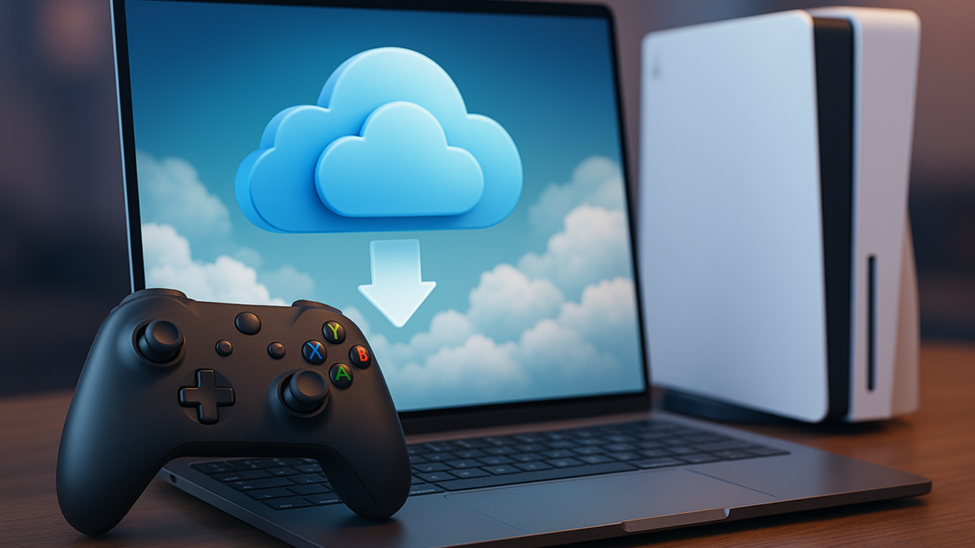
Microsoft’s Game Pass subscription includes cloud gaming across devices. While Xbox hardware revenue fell 29% in a quarter, the streaming service helped offset losses, demonstrating how subscription-based streaming can replace traditional hardware revenue. (GamesRadar)
2. Decline of Physical Games
In the UK, boxed console game sales dropped 35% year-over-year, with physical formats representing only 10.4% of new game sales. (The Guardian)
3. Mobile Gaming & Streaming Growth
Mobile gaming now commands nearly half the global market. Streaming allows gamers to play on multiple devices, further reducing dependence on dedicated consoles. (Co-op Board Games)
Frequently Asked Questions (FAQs)
Q1: Will streaming replace console gaming?
Not immediately. Hardcore gamers still value exclusive titles, local performance, and offline play. Streaming is gradually eroding console relevance, especially among casual players.
Q2: Do I need high-speed internet for game streaming?
Yes. Streaming demands low latency and stable bandwidth. Poor connections can lead to lag, stuttering, and reduced visual quality.
Q3: Are consoles still worth buying in 2025?
Yes, for high-performance gaming, offline play, and exclusive titles. Casual gamers may find streaming sufficient.
Q4: How do exclusives affect console relevance?
Exclusives remain valuable but are increasingly released on multiple platforms or streamed. This reduces hardware dependency over time.
Q5: Is streaming cheaper than buying a console?
Potentially. Subscription services lower upfront costs, but long-term savings depend on gaming frequency and preferred titles.
Q6: Does streaming affect game ownership?
Yes. Streaming subscriptions give access but not ownership. Players cannot resell or trade streamed games.
Q7: How does streaming affect latency?
Latency is typically higher than local consoles. Competitive gamers may still prefer traditional hardware until streaming technology improves.
Q8: Will consoles become obsolete?
Not entirely, but their role may shift to premium or niche devices, while streaming caters to the mass market.
Q9: How does streaming impact game updates and lifecycle?
Updates occur server-side, improving game longevity and reducing download requirements for users.
Q10: What factors should gamers consider?
- Internet quality and bandwidth
- Number of games played annually
- Preference for physical ownership
- Need for high-performance graphics
- Mobility across devices
Practical Takeaways
- Gamers: Streaming is ideal for flexibility, casual play, or budget-conscious users.
- Console Owners: Focus on exclusive content, high-fidelity games, and offline play to maximize console value.
- Developers/Publishers: Design games for cloud compatibility to expand reach and reduce hardware limitations.
- Marketers: Emphasize “play anywhere” convenience over console ownership.
- Infrastructure Awareness: Streaming adoption depends on internet quality; slower regions may retain console relevance longer.
Why the U.S. Market Leads the Shift
High broadband penetration, strong subscription culture, and a large gaming population make the U.S. a bellwether for global trends. Console sales are declining faster here, while streaming adoption accelerates.
The Future of Gaming: Streaming vs. Console
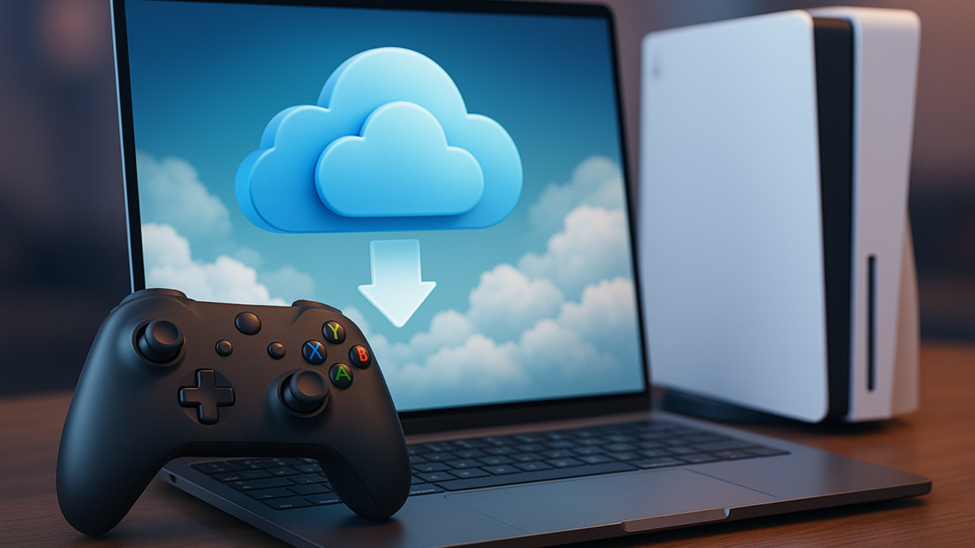
- Improved Cloud Technology: Reduced latency will make streaming comparable to local consoles.
- Day-One Streaming Launches: Publishers will release more titles on streaming first, reducing exclusivity.
- Hybrid Models: Consoles may become premium devices while streaming dominates mainstream access.
- Subscription Bundles: Hardware rental + streaming access may replace traditional console sales.
- Regional Variances: High-speed internet regions will adopt streaming faster; slower areas may retain console relevance.
Final Thoughts
Consoles aren’t dead, but their role is changing. They are becoming one of many ways to access gaming rather than the central hub. Streaming is quietly but steadily reshaping the landscape, offering instant access, multi-device play, and subscription-based convenience. Gamers, developers, and content creators must adapt to this reality to stay relevant in the evolving gaming ecosystem.