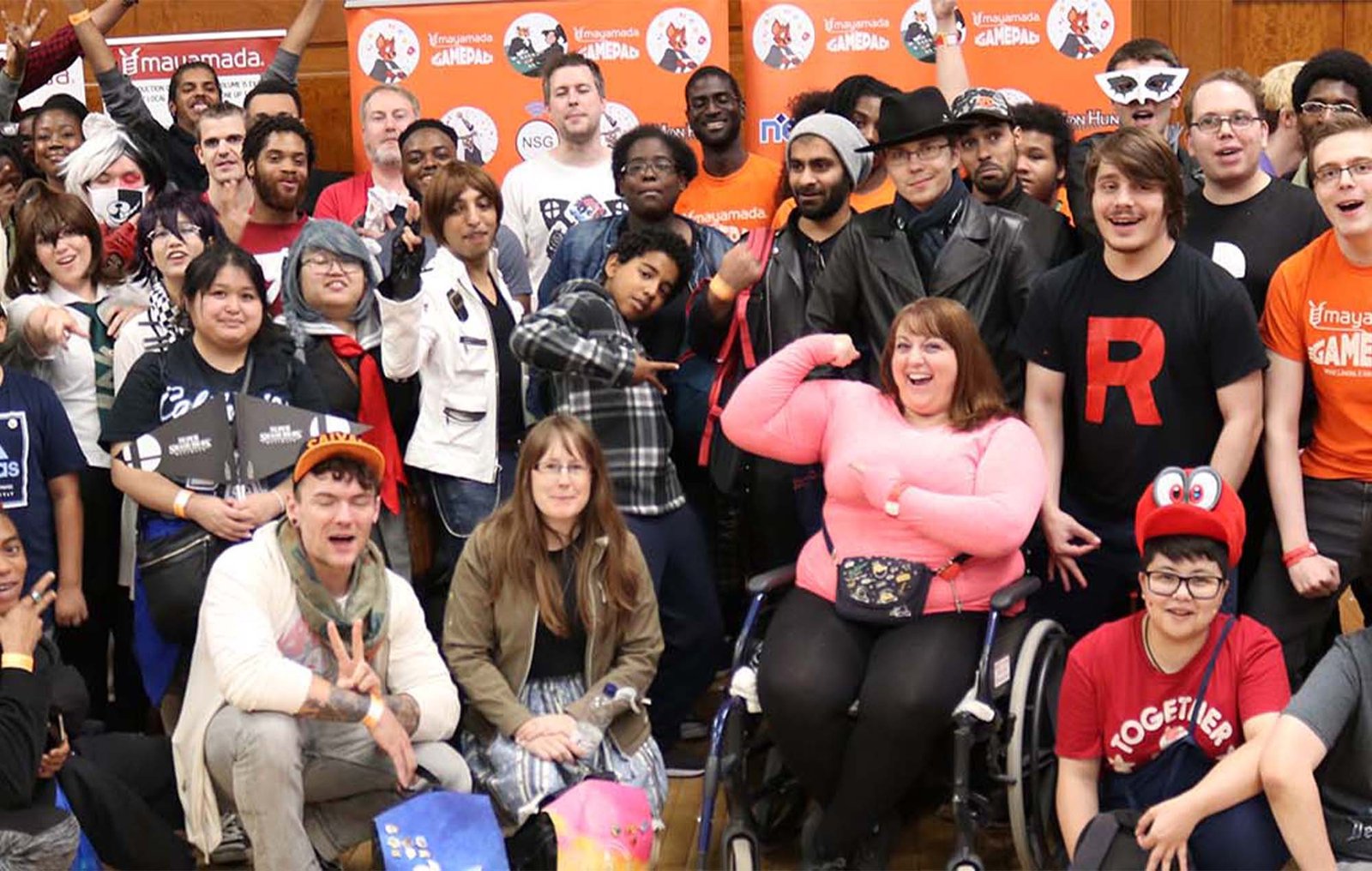
Are U.S. game studios finally reflecting their diverse audiences? Explore 2025 data, real-world examples, trends, and expert insights on diversity in gaming, representation, and inclusion.
In this in-depth report, we explore whether U.S. game studios are finally catching up to the diversity of their audiences. From workforce demographics to in-game representation and inclusive storytelling, we examine data, real-life case studies, and the changing expectations of gamers in 2025. We’ll uncover where studios are succeeding, where they’re falling short, and how they can truly “level up” diversity in gaming.
1.Why Diversity in Gaming Matters More Than Ever
What Does “Diversity in Gaming” Really Mean?
When we talk about diversity in gaming, we’re referring to three interlinked areas:
- Workforce Diversity: The mix of gender, race, sexual orientation, disability, and other identities among employees in gaming studios.
- In-Game Diversity: Representation of different genders, ethnicities, sexualities, and abilities in game narratives and characters.
- Cultural & Audience Alignment: How accurately studios reflect their players’ lived experiences and values.

Why It Matters
Diversity in gaming is more than a moral stance — it’s a creative and commercial necessity.
- Representation = Engagement:
A Newzoo 2023 Global Gamer Study found that 64% of gamers globally believe diversity in games is important, and 71% of Gen Z gamers said it’s “very important.” - Financial Opportunity:
A Mintel U.S. Market Study revealed 72% of gamers want more diverse representation in both games and marketing. Ignoring this market demand means losing millions of potential customers. - Innovation & Quality:
Research from arXiv (2022) found that teams with higher gender diversity produced more creative and original game designs — if inclusion was also present. - Ethical Imperative:
The Geena Davis Institute on Gender in Media stresses that diversity fosters empathy and combats bias in gaming culture, helping to rebuild trust with historically excluded groups.
Bottom Line: The players have evolved. The question is — have the studios?
2.The Data: Where Do U.S. Game Studios Stand Today?
Gamer Demographics vs. Industry Workforce
- According to Entertainment Software Association (ESA, 2024):
- 53% of U.S. gamers are male
- 46% are female
- 1% identify as non-binary/prefer not to say
- Ethnicity Breakdown:
- White: 75%
- Hispanic: 19%
- Black/African American: 12%
- Asian/Pacific Islander: 4%
- Native American: 3%
- Yet, in the workforce, the diversity gap remains stark. A Goodman Lantern Whitepaper (2024) revealed that most game developers are white men, even as the player base grows more diverse every year.
Representation in Game Content
- Gender Representation: About 80% of video game protagonists are male. Female and non-binary characters often lack narrative depth.
- Character Diversity: A Geena Davis Institute study found that 70% of gamers say it’s “extremely important” for games to feature diverse characters.
- Industry Workforce Diversity: The American Gaming Association reported 61% of employees in U.S. gaming companies identify as minorities — a sign of gradual improvement.
What the Numbers Mean
Progress? Yes.
Parity? Not yet.
While diversity has entered the conversation and even marketing materials, structural imbalances still exist — especially in leadership, storytelling, and inclusion in creative decision-making.
3.Real-World Case Studies: The Wins and Misses
Apex Legends (Respawn Entertainment)
- Success Story: Respawn, a California-based studio (part of EA), built Apex Legends around a roster of diverse characters: women, LGBTQ+, disabled, and multi-ethnic heroes.
- Impact: Over 50% of its characters are non-white and nearly 50% are women.
- Lesson: True inclusion happens when diversity shapes gameplay, not just marketing.
The Sims 4 (Maxis / EA)
- Inclusive by Design:
The Sims franchise revolutionized gaming by letting players freely choose gender identity, relationships, and cultural backgrounds. - Why It Works:
Customization is power — players can create versions of themselves without bias. This freedom builds strong community loyalty.
Raccoon Logic Controversy (2021)
- A staff photo showing an all-white, all-male team went viral, sparking criticism across gaming media.
- The studio promised reforms and inclusive hiring, but the backlash highlighted how optics and internal culture are equally critical.
- Lesson: Diversity must go beyond statements. Visual proof and lived reality matter.
Gameheads (Oakland, CA)
- A nonprofit empowering low-income youth of color to enter game development.
- Collaborates with major U.S. studios to build a pipeline of diverse talent.
- Lesson: Inclusion starts at the entry level. Education and mentorship create future change.
4.Are U.S. Studios Finally Catching Up?
Workforce Diversity
While minority representation is rising, gender balance and leadership diversity lag far behind.
Women make up 25–30% of development teams, with fewer in technical or executive roles.
Conclusion: Studios are improving, but true alignment with player demographics is years away.

In-Game Diversity
The good news: more diverse characters, stories, and perspectives than ever.
The bad news: representation is inconsistent — LGBTQ+ and disabled characters remain scarce.
A GLAAD report (2024) found that only 2% of mainstream games feature openly LGBTQ+ protagonists, despite 17% of U.S. gamers identifying as LGBTQ+.
Conclusion: Progress is real but uneven.
Cultural & Market Alignment
The typical “young white male gamer” stereotype is outdated.
Today’s average gamer is 32 years old, and half are women (Liquid Web, 2025).
Studios that market exclusively to old archetypes miss their true audience.
Conclusion: Studios are catching up, but slowly — especially in marketing and creative leadership.
5.How Studios Can Accelerate Diversity Progress
For Studios & Development Teams
- Audit Everything:
Review hiring, promotion, and character representation data annually. - Set Measurable Goals:
Example: “Increase female and minority leadership roles by 25% within 3 years.” - Prioritize Inclusion Over Optics:
Diversity without inclusion leads to frustration and tokenism. - Partner With Talent Programs:
Work with organizations like Gameheads to create inclusive talent pipelines. - Listen to Feedback:
57% of gamers skip titles that “don’t feel made for them” (Newzoo, 2023). Player perception is market data. - Train Leaders:
Implement inclusive leadership and unconscious bias training for all creative heads.
6.Trending FAQs on Diversity in Gaming (2025 Edition)
FAQ 1: What percentage of U.S. gamers are women or minorities?
Nearly half — 46% female gamers and 19% Hispanic, 12% Black, and 4% Asian/Pacific Islander players. These figures prove the gaming audience is no longer homogeneous.
FAQ 2: Are U.S. game studios hiring more diverse talent?
Yes. Minority hiring has increased to 61% of industry employees, according to the American Gaming Association (2024). However, leadership roles are still dominated by white males, highlighting a gap in upward mobility.
FAQ 3: Do games today better represent diverse players?
Yes — to a degree. Games like Apex Legends, The Sims 4, and Life Is Strange: True Colors feature multidimensional characters. However, many AAA titles still underrepresent non-white and LGBTQ+ identities.
FAQ 4: Why does diversity matter to gamers?
Because it drives connection, loyalty, and creativity. Players engage more with games that reflect their identity. Diversity builds long-term community and retention.
FAQ 5: What barriers prevent diversity in gaming?
- Lack of representation in leadership
- Homogeneous hiring pipelines
- Tokenism (diversity without inclusion)
- Fear of “backlash” from certain gamer communities
- Workplace harassment or exclusionary culture
FAQ 6: Which U.S. studios are leading diversity efforts?
Studios like EA’s Maxis (The Sims), Respawn Entertainment, and Dontnod Entertainment (U.S. partnerships) are setting benchmarks. Nonprofits like Gameheads are feeding new, diverse talent into these pipelines.
FAQ 7: Can small indie studios make a difference?
Absolutely. Indie studios often take creative risks larger studios avoid — offering authentic voices and underrepresented stories. Games like Celeste and Gone Home exemplify inclusivity from smaller teams.
FAQ 8: Does diversity actually improve game quality?
Yes. A 2022 arXiv study confirmed that gender-diverse teams produced more creative outputs than homogeneous ones — but only when true inclusion was achieved.
FAQ 9: How can gamers encourage diversity in the industry?
Support diverse games, leave positive reviews for inclusive titles, and challenge stereotypes online. Player demand drives industry change.
FAQ 10: Will U.S. game studios achieve full diversity soon?
They’re closer than ever — but “catching up” is an ongoing process. It’s not just about numbers; it’s about narrative control, creative freedom, and who gets to tell the stories that shape culture.
7.Key Takeaways for the Future of Diversity in Gaming
- Representation impacts engagement and revenue.
- Workforce diversity needs structural reform, not just pledges.
- In-game representation must move past tokenism.
- Inclusion fuels creativity and retention.
- Education and mentorship programs like Gameheads are vital for sustainable change.
- Transparency = Trust: Studios that publish annual diversity reports build credibility and player goodwill.
- Gamers are watching — and they’re vocal. Studios that ignore inclusion risk irrelevance.
8.Conclusion: The Path Forward
So, are U.S. game studios finally catching up to their audiences?
Yes — but not fully.
The last five years have brought visible progress, from more diverse characters to inclusion-focused hiring. Yet structural inequities and tokenism still linger beneath the surface.
The future of gaming depends on who gets to create and whose stories get told. As the player base continues to diversify, studios that embrace inclusion as a creative superpower — not a corporate checkbox — will thrive.
For players, developers, and marketers alike, this is a cultural moment:
Diversity isn’t a trend. It’s the new foundation of gaming.