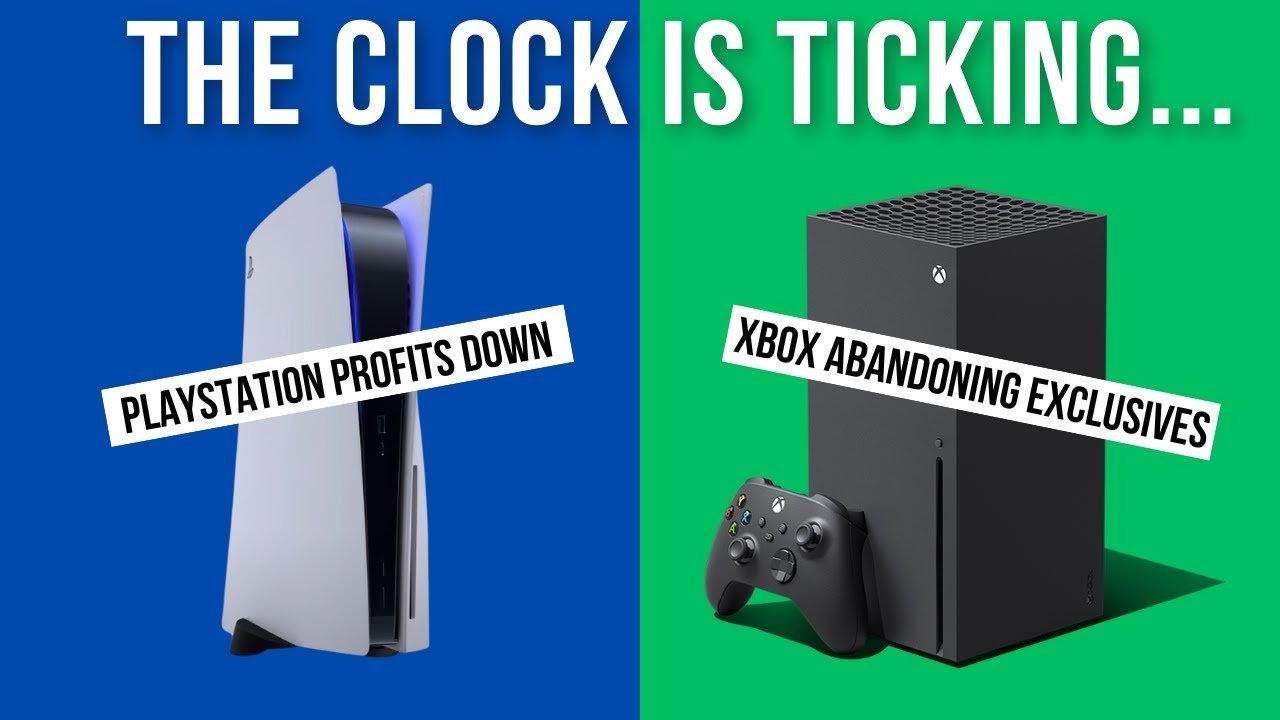
“Console wars are over — hardware independence is here.”
— CES 2025 Keynote Theme
A New Era of Gaming Is Here
For decades, the world of gaming has been defined by hardware boundaries. We debated PlayStation vs. Xbox, PC vs. console, handheld vs. home, and the loyalty wars that followed. These rivalries shaped not only what games we played, but how we played them.
But in the mid-2020s, the narrative has begun to shift dramatically. Cloud technology, hybrid hardware, and digital subscriptions have given rise to what many call platform-agnostic gaming — an ecosystem where your game library, progress, and playtime transcend the limitations of a single device.
Today, gamers are asking a profound question:
“Is the console dying?”
This article takes a deep dive into that question. We’ll explore how and why gaming is becoming platform-agnostic, what’s fueling this change, and what it means for the future of consoles as we know them.
By the end, you’ll have a clear picture of where gaming is headed — and whether the traditional console still has a place in that future.
What Is Platform-Agnostic Gaming?
Before we discuss the fate of consoles, let’s define what “platform-agnostic” actually means in gaming terms.
At its core, platform-agnostic gaming refers to the ability to play games across multiple devices without being tied to one piece of hardware. Whether you’re on a console, PC, smartphone, or smart TV, your progress and access remain seamless.
Here’s what that looks like in practice:
- Hardware independence: You can play the same game across different devices (console, PC, phone, or handheld) without needing unique versions.
- Crossplay & cross-save: Play with friends on any platform, and keep your progress synced automatically.
- Cloud streaming: The heavy processing happens on powerful remote servers — your device only streams the output.
- Subscription ecosystems: Services like Xbox Game Pass, PlayStation Plus, and GeForce NOW give you libraries of games available on multiple devices.
- Hybrid gaming hardware: Portable PC-based consoles like Steam Deck, Asus ROG Ally, and Lenovo Legion Go are redefining what “console gaming” even means.
Essentially, your game experience follows you, not your console.
The Forces Behind the Shift Away from Traditional Consoles
Several trends are driving the gaming industry toward a platform-independent future. Let’s look at the most important ones shaping this evolution.
1. The Cloud Is the Great Equalizer
Cloud gaming has been a dream for decades — play AAA titles without needing expensive hardware. Now, it’s finally becoming reality.
Services like Xbox Cloud Gaming (xCloud), NVIDIA GeForce NOW, Amazon Luna, and even experimental ventures like Google Stadia (before its closure) have proven that games can run entirely in the cloud.
All you need is a screen, controller, and a fast internet connection. No console, no downloads, no storage management.
This shift is monumental because it removes the single biggest barrier to high-end gaming — the hardware itself. You could stream Cyberpunk 2077 on a $300 Chromebook or a smart TV just as easily as on a $500 console.
The cloud, in short, democratizes gaming.
2. Subscription Models Are Changing the Game
Just as Netflix changed how we watch movies, game subscriptions are changing how we play.
Xbox Game Pass, PlayStation Plus Premium, and EA Play give gamers instant access to hundreds of titles for a monthly fee. You don’t need to own each game — you simply stream or download it.
According to BCG’s 2024 gaming report, subscription models now account for nearly 25% of total gaming revenue — a number expected to rise sharply over the next five years.
As a result, players care less about the box they own and more about the ecosystem they’re part of.
3. Hybrid Devices Are Blurring the Lines
A new generation of gaming hardware has emerged — one that merges the power of PCs with the portability of handhelds.
Devices like:
- Valve’s Steam Deck
- Asus ROG Ally
- Lenovo Legion Go
These machines run Windows or SteamOS, letting gamers play PC-grade titles anywhere. They’re portable, upgradeable, and compatible with all major digital stores.
They prove a key point: you don’t need a stationary console to enjoy console-quality gaming.
4. Crossplay and Cross-Save Have United Players
In 2010, playing with friends across platforms was nearly impossible. Today, it’s the norm.
Games like Fortnite, Call of Duty: Warzone, Minecraft, and Rocket League have pioneered crossplay, allowing players on PlayStation, Xbox, PC, and mobile to all share the same multiplayer space.
Your save files, stats, and achievements sync automatically via the cloud. That kind of freedom makes hardware loyalty less relevant — you simply play wherever you want.
5. Shifting Player Behavior
The modern gamer plays everywhere — on phones, tablets, PCs, and TVs.
A 2025 survey by Game Developer revealed that 76% of gamers regularly play on more than one device. The average American gamer now owns at least three gaming-capable devices.
This multi-platform mindset is driving companies to focus less on hardware and more on ecosystem fluidity.
6. Economics and Profitability
Console manufacturers often sell hardware at a loss, making money through software and subscriptions.
As gaming becomes more service-driven, companies have less incentive to keep users locked into one box. Microsoft and Sony both now earn substantial revenue from cloud services, DLCs, and microtransactions — things that work better in a platform-agnostic world.
Why Consoles Still Matter — For Now
Despite these transformative shifts, consoles aren’t extinct yet. They remain relevant for several powerful reasons.
1. Raw Power and Performance
Local hardware still beats cloud streaming when it comes to latency, resolution, and responsiveness. Competitive gamers, in particular, rely on the zero-lag performance of consoles.
Streaming 4K, 120fps games over the cloud requires flawless internet — something that’s not yet universally available.
2. Exclusive Games and Brand Identity
Consoles built their empires on exclusives — God of War, Halo, The Legend of Zelda, Uncharted, Spider-Man, Mario Kart, and more.
Even though exclusivity is weakening, it remains a powerful driver for many gamers. These titles define brand loyalty and console identity.
Sony, Nintendo, and Microsoft all still leverage their exclusive IP to attract and retain users, even as they experiment with wider releases.
3. Simplicity and Plug-and-Play
Consoles deliver something PCs and cloud setups don’t always guarantee: simplicity.
You unbox, plug in, and play. There’s no need for drivers, configurations, or software compatibility checks. For millions of casual gamers, that frictionless experience is still invaluable.
4. Offline Play and Accessibility
In regions where stable, high-speed internet is not the norm, consoles continue to be the most practical way to game.
They store full titles locally, run offline, and don’t rely on bandwidth or server uptime. For many, that’s still non-negotiable.
5. Nostalgia and Culture
Consoles aren’t just machines — they’re cultural artifacts. They symbolize milestones in personal and industry history.
From blowing on NES cartridges to unboxing a new PlayStation on Christmas morning, consoles carry an emotional resonance that streaming alone cannot replicate.
Case Studies: How Industry Leaders Are Adapting
Let’s look at how major companies are navigating this shift toward platform-agnostic gaming.
Microsoft: The Cloud-First Vision
Microsoft has been the boldest advocate for a console-free future. Its Xbox Game Pass Ultimate service integrates PC, mobile, and console gaming into one subscription.
You can stream Halo Infinite on your phone or play Starfield on a PC — all without an Xbox console.
Microsoft’s message is clear: the Xbox isn’t a box — it’s an ecosystem.
However, this transition hasn’t been without backlash. Long-time Xbox fans worry that the hardware identity — once the pride of console ownership — is being diluted.
Still, Microsoft’s strategy has positioned it as a leader in the platform-agnostic revolution.
Sony: Balancing Tradition and Innovation
Sony has taken a more cautious path. While PlayStation Plus Premium offers cloud streaming, the company still heavily promotes hardware sales and exclusive titles like Spider-Man 2 and God of War: Ragnarök.
Yet, even Sony is expanding. It has begun releasing previously exclusive titles on PC (Horizon Zero Dawn, The Last of Us Part I, Ghost of Tsushima).
Sony’s long-term play seems to be gradual adaptation — maintaining the prestige of console gaming while carefully opening its ecosystem.
Nintendo: The Outlier That Keeps Winning
Nintendo continues to thrive by defying trends. The Nintendo Switch proved that innovation and fun can beat raw horsepower.
While other companies push cloud and subscriptions, Nintendo focuses on unique gameplay experiences and first-party exclusives that keep fans loyal.
Their rumored Switch 2 suggests Nintendo will keep straddling the line between console and portable — and that may be the perfect niche in a hybrid world.
Valve and the Handheld Revolution
Valve’s Steam Deck changed the conversation entirely. It’s not a console or a PC — it’s both.
Players can dock it, mod it, install Windows, or stream via the cloud. Its success sparked a new wave of portable gaming PCs from Asus, Lenovo, and MSI.
This innovation proves that hardware flexibility, not restriction, is the future.
Will Consoles Become Obsolete?
Here’s the truth: consoles are not dying overnight — they’re evolving.
In the near future:
- Consoles will still serve high-end, local gaming needs.
- They’ll cater to players who value performance, exclusives, and plug-and-play ease.
Over the next decade:
- Consoles may morph into hybrid hubs — compact devices relying on cloud computing for heavier workloads.
- We may see smart TVs with built-in cloud gaming support, rendering dedicated consoles redundant for casual players.
- Subscription services will continue to dominate, reducing the importance of physical hardware.
The console is transforming — not dying.
Real Questions Gamers Are Asking-
Will video game consoles become obsolete?
Not entirely. They will evolve into hybrid or specialized devices, especially in markets with limited connectivity. Physical hardware may shrink in importance, but not vanish.
Is cloud gaming killing consoles?
Not yet. Latency, bandwidth, and infrastructure still limit cloud performance. Instead of killing consoles, cloud gaming is reshaping their role.
Can you play PS5 or Xbox games without owning the console?
Yes. Services like Xbox Cloud Gaming and PlayStation Plus Premium now let players stream select titles directly to PC, tablets, and mobile devices.
Are consoles still worth buying in 2025 or 2030?
Absolutely — if you value offline play, exclusive titles, low latency, and plug-and-play ease.
But for flexible, mobile gaming, you may find better value in hybrid or cloud options.
What’s the future of console exclusives?
Exclusives are shifting toward timed exclusives and cross-platform availability. They’ll remain as brand builders but won’t determine hardware choice as strongly as before.
Will PC gaming overtake console gaming?
PC gaming already dominates in flexibility, but consoles still offer simplicity and affordability. The lines will blur further — many consoles now behave like streamlined PCs anyway.
How will subscriptions affect game ownership?
Subscription models may erode the concept of “owning” a game. You’ll have access instead of ownership — similar to how Netflix works.
This raises future questions about preservation, rights, and long-term access.
The Challenges Ahead
Even as gaming becomes more flexible, there are major hurdles that prevent a total console-free world:
- Internet inequality: Not all regions have fast, stable broadband or 5G.
- High infrastructure costs: Running cloud servers for real-time gaming is extremely expensive.
- Latency-sensitive genres: Fighting and shooter games still require near-zero lag.
- Consumer habits: Many players enjoy physical collections and console nostalgia.
- Corporate interests: Manufacturers still profit from hardware ecosystems.
- Digital ownership: Subscription fatigue and lack of ownership could frustrate consumers.
These challenges mean consoles still have a strong foothold for years to come.
What to Expect in the Next 5–10 Years
Here’s where the gaming landscape is heading:
- Faster internet infrastructure (5G/6G) will make streaming smoother worldwide.
- TVs with built-in gaming apps (like Samsung’s Gaming Hub) will eliminate the need for boxes.
- Hybrid consoles may handle local graphics while cloud services manage updates and heavy processing.
- Subscription ecosystems will dominate revenue models.
- AI-driven upscaling will make streamed games look nearly identical to local play.
- Consoles will become smaller, modular, and secondary — not primary.
The Bottom Line: The Console Isn’t Dying — It’s Evolving
The console as a box might fade. But the console as a concept — a unified, easy-to-use, optimized platform — will endure in some form.
What’s truly dying is exclusivity and isolation. The future of gaming is fluid, connected, and platform-agnostic.
Gamers of tomorrow won’t ask, “What console do you own?”
They’ll ask, “Where do you play?” — and the answer will be: anywhere I want.
Key Takeaways
- Platform-agnostic gaming is the biggest evolution in the industry since online multiplayer.
- Consoles aren’t dying — they’re adapting to the realities of cloud, subscription, and hybrid ecosystems.
- Cloud gaming will reshape, not replace, traditional hardware.
- Developers and publishers are moving toward ecosystem loyalty over hardware loyalty.
- The player wins in the end — more freedom, more access, more choice.
Final Thoughts
From the Atari 2600 to the PlayStation 5, the console has been the beating heart of gaming culture. But like every technology, it must evolve to survive.
Platform-agnostic gaming isn’t about killing consoles — it’s about liberating games from them.
Whether you’re playing Halo on a handheld PC, Fortnite on your phone, or Spider-Man on your smart TV, one truth remains:
Gaming is no longer defined by the device — it’s defined by the experience.